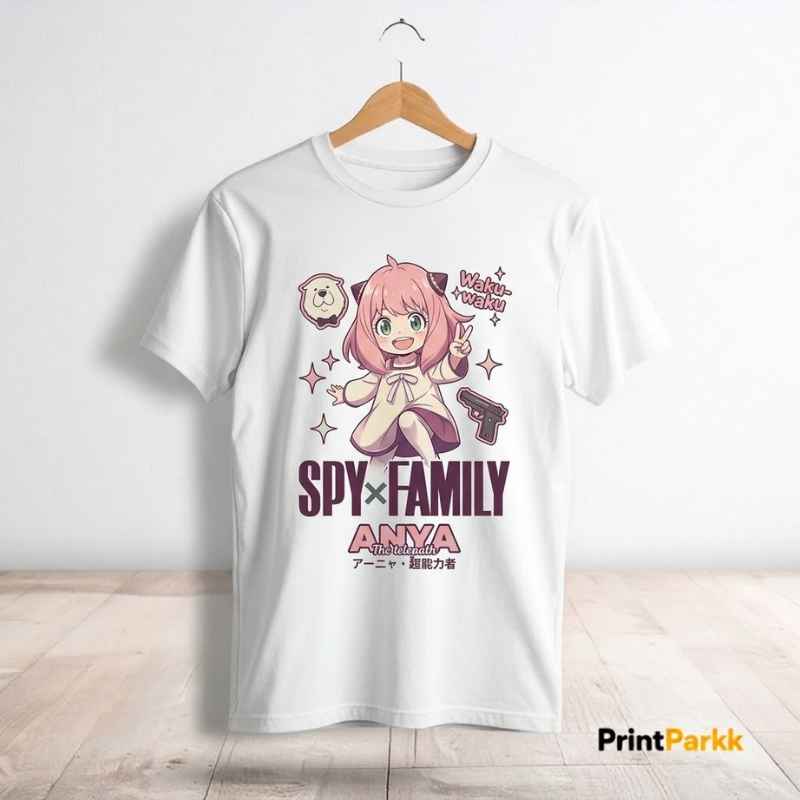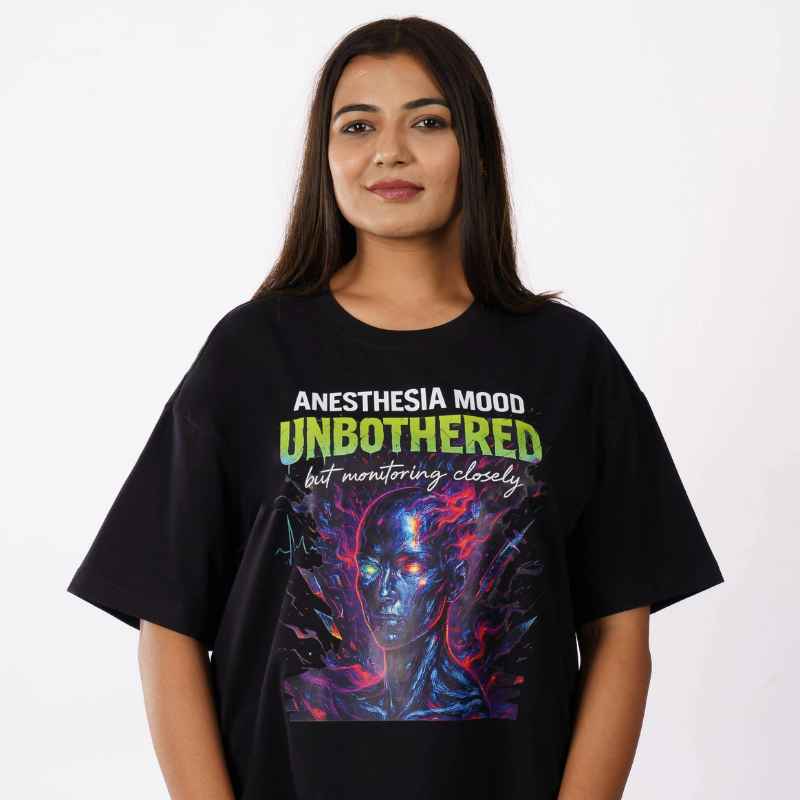

Anime and manga have influenced fashion, illustration, and streetwear for decades. As a designer, I see anime manga design t shirts as more than printed clothing—they are wearable stories that help people express their favorite characters, emotions, and visual style.
Creating a successful anime-inspired shirt requires more than placing a character on a blank garment. The strongest designs combine expressive artwork, thoughtful typography, balanced composition, and a clear understanding of what anime fans actually want to wear.
Why Anime Manga T-Shirts Are So Popular
Anime-inspired fashion connects with people on both an emotional and visual level. A well-designed shirt can remind someone of a favorite series, a memorable scene, or a character who inspired them.
The manga influence is especially powerful because of its recognizable visual language:
- High-contrast black-and-white artwork.
- Dynamic speed lines and action panels.
- Dramatic facial expressions.
- Hand-drawn lettering.
- Screen-tone textures and halftone shading.
- Bold compositions inspired by manga covers and panels.
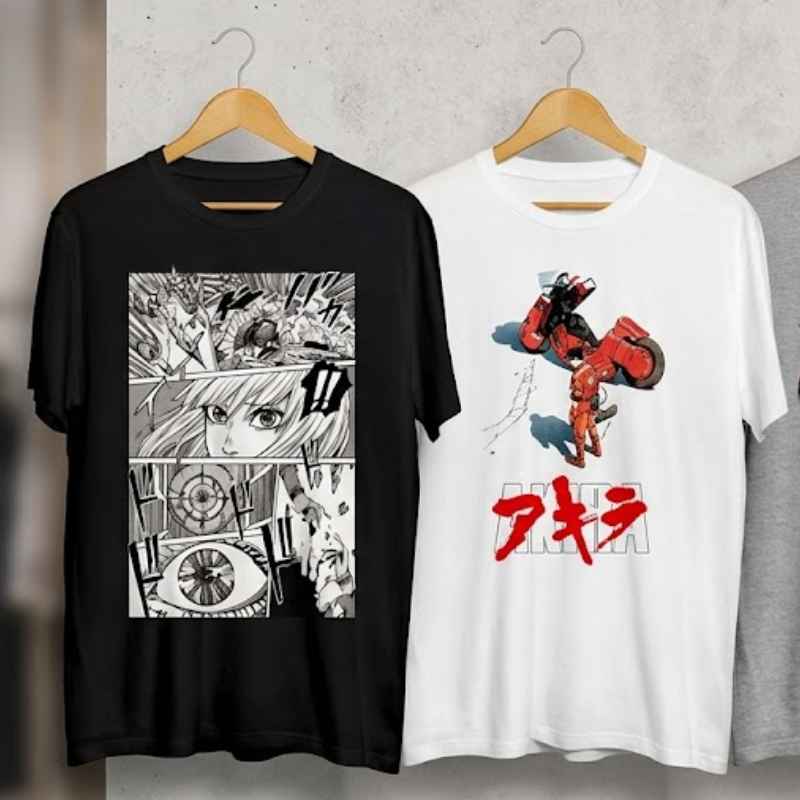
I often notice that customers are drawn to designs that feel authentic rather than overly polished. Small details—such as rough ink edges, expressive eyes, or a panel-style layout—can make a shirt feel more connected to manga culture.
What Makes a Great Anime Shirt Design?
A great anime shirt should look attractive from a distance and interesting up close. I focus on five important elements whenever I create this type of artwork.
1. A Strong Central Visual
The main character, symbol, or illustration should immediately attract attention. If the design has too many competing elements, the shirt can look crowded and difficult to understand.
I usually begin with one dominant visual, such as:
- A powerful character pose.
- A stylized anime portrait.
- A mythical creature.
- A manga-inspired action scene.
- A symbolic object or emblem.
The central artwork should work with the shape of the shirt instead of appearing randomly placed.
2. Expressive Character Design
Anime fans pay close attention to character emotion and posture. A simple standing pose may not create the same impact as a dramatic expression, running pose, battle stance, or mysterious silhouette.
When I design a character-based shirt, I think about:
- Facial expression.
- Body language.
- Hair movement.
- Clothing details.
- Lighting and shadows.
- The overall mood of the illustration.
A determined expression can create an energetic streetwear design, while a calm portrait may work better for a minimalist shirt.
3. Readable Typography
Text can add personality, but it should support the artwork rather than compete with it. Manga-inspired lettering often uses bold, condensed, handwritten, or distressed fonts.
Before adding text, I ask myself:
- Can the words be read quickly?
- Does the font match the character or theme?
- Is the text too close to the artwork?
- Will it remain clear after printing?
- Does the phrase have meaning for the target audience?
Short phrases usually work well on anime shirts. A single word, dramatic expression, or original slogan can be more effective than a long sentence.
4. Color Contrast
Color choice affects both the mood and print quality of a shirt. Black garments are popular for anime streetwear because bright artwork and bold linework stand out strongly against them.
Some combinations I enjoy using include:
- Black, red, and cream for an intense look.
- Navy, white, and electric blue for a futuristic style.
- Purple, pink, and black for a mysterious design.
- Orange, yellow, and brown for a retro manga feel.
- White ink with one accent color for a minimalist result.
I always check whether the artwork has enough contrast against the garment color. A beautiful illustration can lose its impact if the details disappear during printing.
Anime and Manga Design Styles I Love
Anime fashion is broad, so there is plenty of room for experimentation. Here are several styles that work well for custom t-shirt projects.
Retro Manga Style
Retro manga designs often use limited colors, rough textures, halftone dots, and vintage-inspired layouts. This style can make a new illustration feel like a collectible from another era.
I like pairing retro artwork with faded garment colors, oversized placement, or distressed effects. These details create a worn-in streetwear appearance.
Dark and Moody Anime Art
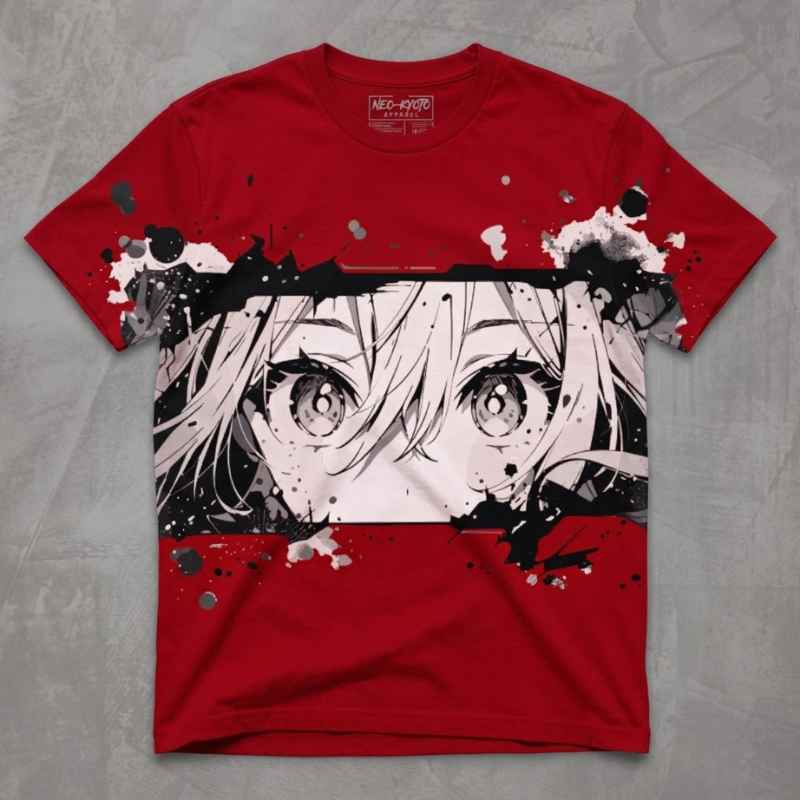
Dark anime-inspired designs often use dramatic shadows, sharp linework, and a limited palette. They are ideal for horror, fantasy, supernatural, and action themes.
For this style, I may use:
- Deep black backgrounds.
- Red or purple highlights.
- Heavy shadows.
- Glowing eyes or symbols.
- Fragmented manga panels.
The key is to keep the composition controlled. Dark artwork should still have enough contrast to remain visible on fabric.
Minimalist Anime Designs
Not every fan wants a large, detailed illustration. Minimalist anime shirts use small icons, simple outlines, silhouettes, or subtle references.
For example, a shirt might feature:
- A simplified character profile.
- A small symbolic object.
- A single manga speech bubble.
- A clean emblem.
- A minimal face or expression.
These designs are easy to wear with everyday outfits and can appeal to people who prefer understated fashion.
Anime Streetwear Graphics
Streetwear designs often use oversized artwork, bold typography, layered graphics, and strong placement. The front may have a small logo, while the back carries the main illustration.
This approach works particularly well for hoodies, oversized shirts, and fashion-focused collections. If you are building a clothing brand, you can also explore custom t-shirt design services from Print Parkk for original artwork and commercial-use projects.
Copyright and Originality Matter
One of the most important lessons I have learned as a designer is the difference between inspiration and copying. Popular anime characters, logos, names, screenshots, and recognizable symbols may be protected by copyright or trademark law.
For commercial products, I recommend creating original artwork inspired by broad visual ideas rather than directly reproducing a copyrighted character. You can capture the feeling of anime through:
- Original characters.
- New story concepts.
- Unique costumes.
- Custom symbols.
- Manga-style composition.
- Original dialogue and lettering.
This approach protects your brand and gives your design a stronger identity. Customers are more likely to remember original artwork than another generic copy of a familiar character.
Preparing Designs for Printing
A design may look excellent on a screen but still produce poor results if the file is not prepared correctly. Before sending artwork to print, I check the following details:
- Use high-resolution artwork.
- Prepare transparent backgrounds when needed.
- Convert text to outlines.
- Keep important details large enough to print.
- Check the color mode required by the printer.
- Test the design on a realistic shirt mockup.
- Review the artwork at actual print size.
I prefer working with Adobe Illustrator and Photoshop because they provide control over vector artwork, typography, layers, and print preparation. Vector files are especially useful when a design needs to be resized for different products.
For a broader selection of professional options, you can browse Print Parkk’s latest t-shirt designs, including anime, streetwear, music, business, and animal categories.
Designing for a Specific Audience
A successful anime shirt is designed for a particular person, not everyone. Before I start, I consider where the shirt will be worn and what kind of audience it should attract.
For example:
- Younger fans may prefer colorful characters and playful graphics.
- Streetwear customers may prefer oversized back prints.
- Manga collectors may appreciate panel layouts and vintage textures.
- Casual shoppers may choose minimalist symbols.
- Fantasy fans may respond to dramatic creatures and original worlds.
Audience research also helps with product titles, descriptions, social media captions, and Pinterest content. If you are promoting your designs online, use clear phrases such as “original anime-inspired streetwear” or “manga-style graphic tee,” while avoiding misleading references to copyrighted franchises.
How I Approach an Anime T-Shirt Project
My creative process usually begins with a simple idea or mood. I may start with a character concept, a short phrase, a color palette, or a visual reference such as a vintage manga panel.
Then I move through these steps:
- Define the audience and shirt style.
- Create quick thumbnail sketches.
- Choose the strongest composition.
- Develop the character or artwork.
- Add typography and supporting elements.
- Test colors on different garment shades.
- Prepare the final print-ready file.
- Review the design on a realistic mockup.
I do not rush the sketching stage. A few strong layout ideas can save hours of editing later and help the final design feel more intentional.
Frequently Asked Questions About Anime Manga Design T Shirts
What are anime manga design t-shirts?
Anime manga design t-shirts are shirts featuring artwork inspired by anime and Japanese manga aesthetics. They may include original characters, comic-style panels, expressive illustrations, bold typography, halftone textures, or action-inspired compositions.
Can I sell anime-inspired t-shirts online?
You can sell original anime-inspired artwork, but you should be careful when using copyrighted characters, logos, names, or recognizable franchise elements. Creating original characters and designs is the safer approach for commercial products.
What colors work best for anime t-shirts?
Black, white, red, blue, purple, and neon accent colors are popular choices because they create strong contrast. The best palette depends on the mood, garment color, artwork style, and printing method.
Should an anime shirt have a front or back print?
Both placements can work. A small front logo with a larger back illustration often creates a modern streetwear look, while a centered front graphic is better for simple or minimalist designs.
What file format is best for printing?
A high-resolution vector file such as AI, EPS, or SVG is useful for scalable artwork. A high-resolution PNG with a transparent background can also work for many printing methods. Always confirm the printer’s preferred format before submitting the final design.
Final Thoughts
Anime and manga-inspired t-shirts give designers an exciting way to combine storytelling, fashion, illustration, and streetwear culture. The best results come from original artwork, clear composition, expressive characters, readable typography, and careful print preparation.
As a designer, I believe a memorable shirt should feel personal. Whether the style is bold and dramatic or clean and minimal, the design should give the wearer a reason to connect with it.