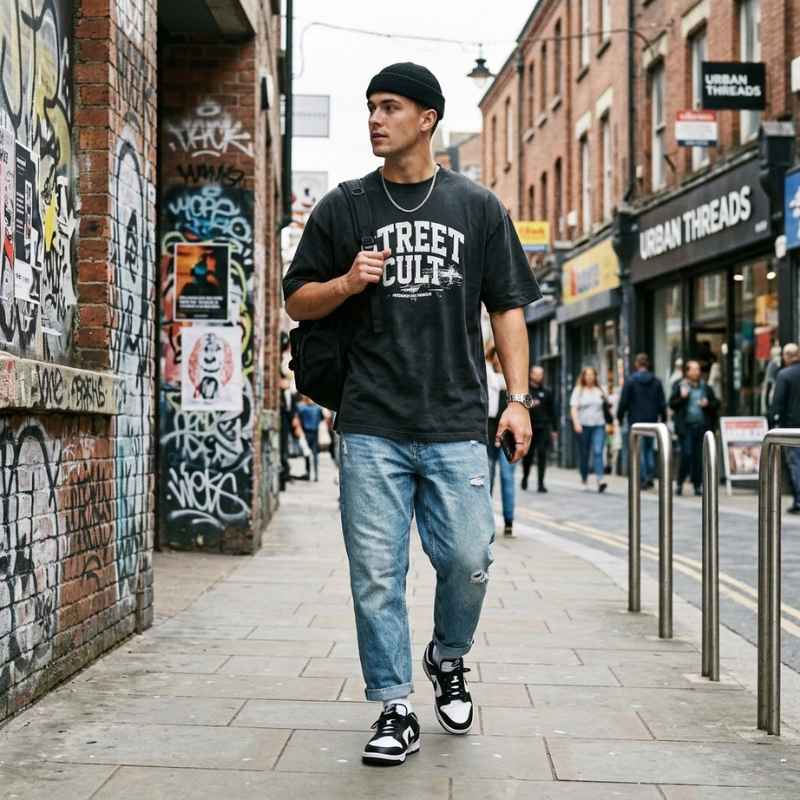
As a graphic designer, I see streetwear as more than oversized tees and bold logos. It is a visual language shaped by music, art, local culture, nostalgia, humor, and personal identity. If you are searching for streetwear graphic artwork t shirt design ideas, the best place to start is with a concept that feels authentic—not just a style that happens to be trending.
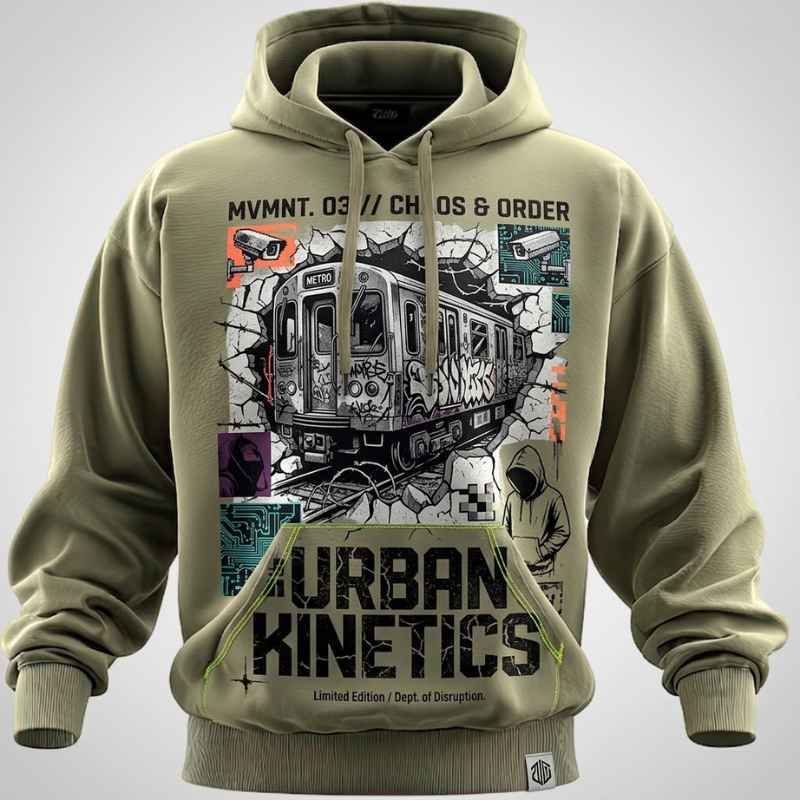
Current streetwear direction is moving toward oversized silhouettes, retro references, bold back prints, heavyweight textures, minimal branding, and storytelling through artwork. Here are practical ideas I would explore when building a strong streetwear t-shirt collection.printify+1
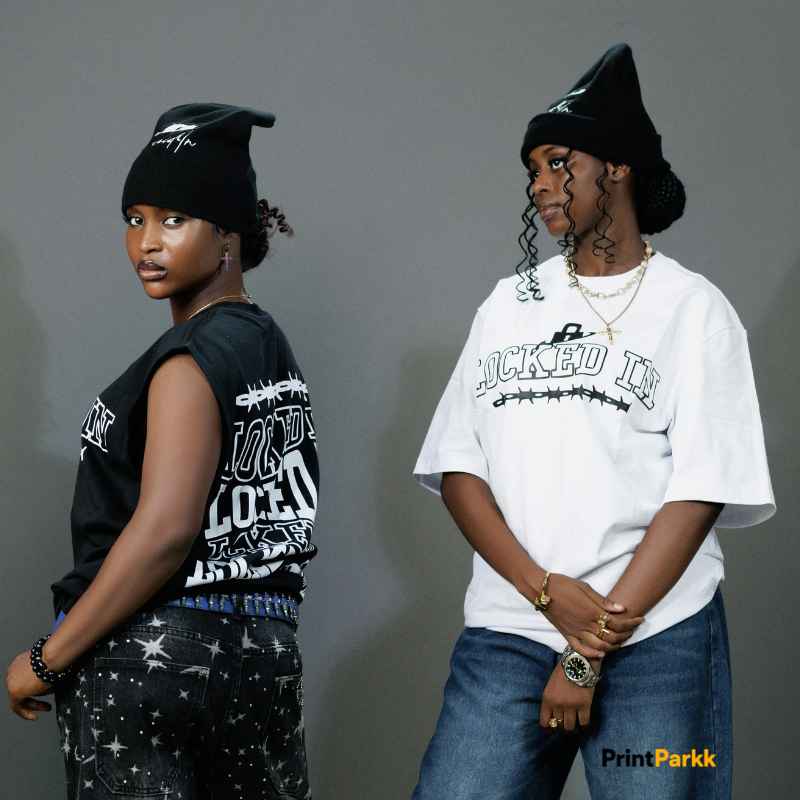
1. Create a Bold Back-Print Story
A large back graphic instantly gives a t-shirt a stronger streetwear identity. Instead of placing a small logo in the center, I like using the front for a simple mark and the back for the main artwork.
Try combining:
- A bold headline.
- A central illustration.
- Small supporting text.
- A location, date, or collection name.
- A short phrase that adds mystery.
For example, a design could show a fictional underground radio station with the words “Broadcast From Somewhere.” The front might include only a small radio icon, while the back tells the complete visual story.
2. Experiment With Retro Typography
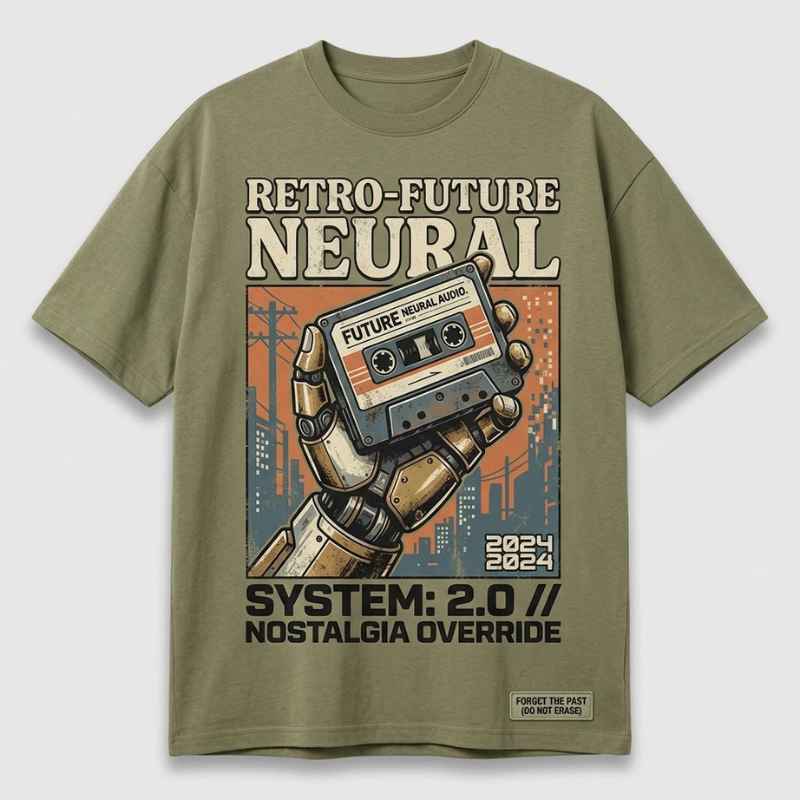
Retro typography remains one of the most useful directions for graphic tees because it creates an immediate emotional connection. Seventies curves, eighties chrome effects, nineties sports lettering, and early-2000s futuristic fonts can all work well when updated with your own layout.
I recommend choosing one historical reference rather than mixing too many styles. Add grain, faded ink, rough edges, or slightly uneven spacing to make the artwork feel printed instead of digitally perfect.
Some possible concepts include:
- “After Hours Athletics.”
- “Midnight Motor Club.”
- “Offline Since 1998.”
- “West Coast Research Department.”
- “Future Archives.”
Retro-style typography and decade-inspired collections continue to perform well in streetwear because they combine familiarity with personal expression.printify
3. Use Hand-Drawn Illustrations
Hand-drawn artwork gives a shirt personality. A rough sketch of a sneaker, city building, wild animal, flower, motorcycle, or household object can feel more original than a polished stock-style illustration.
When I create this type of design, I keep some natural imperfections. Uneven lines, visible pencil marks, and loose shading can make the final graphic feel human and independent.
Good subjects include:
- Neighborhood storefronts.
- Old cars and motorcycles.
- Skateboard equipment.
- Wild plants and flowers.
- Strange imaginary creatures.
- Everyday objects with exaggerated details.
You can scan the drawing, clean it in a design program, and preserve selected imperfections for a more authentic result.
4. Build a Minimal Chest-Print Collection
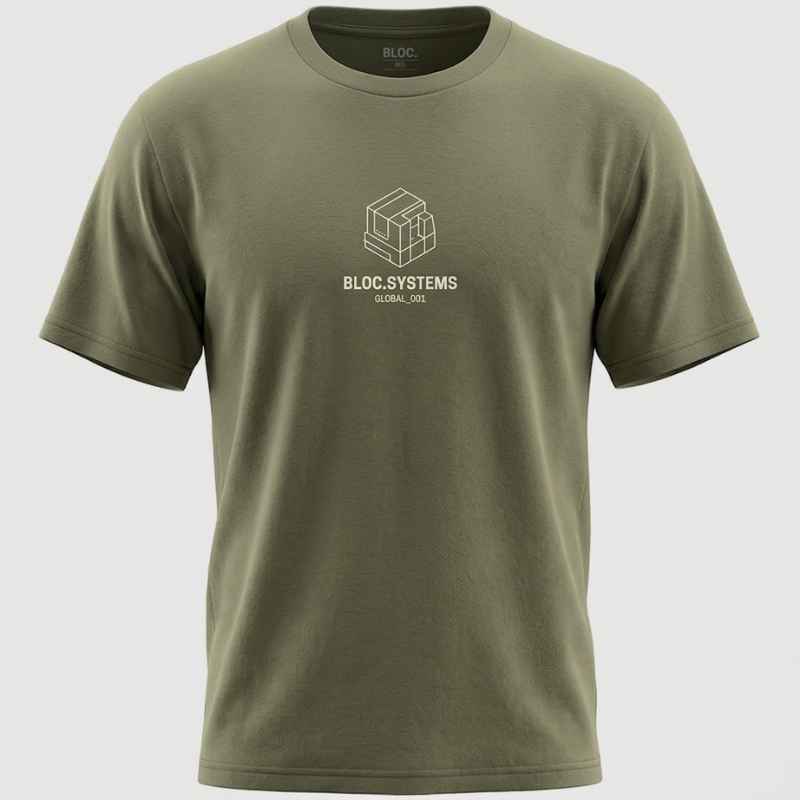
Not every streetwear t-shirt needs a huge graphic. A small chest print can look premium when the typography, spacing, and garment quality are carefully considered.
For this style, I would use:
- One short phrase.
- A clean symbol.
- Two colors at most.
- Generous negative space.
- A small embroidered-style logo.
- A restrained color palette.
A minimal design might say “Private Practice,” “Common Ground,” or “Nothing Typical.” The phrase should feel intentional and slightly open to interpretation.
Minimal chest graphics work especially well with heavyweight, washed, neutral-colored tees. The design becomes part of the garment rather than competing with it.
5. Combine Nature With Urban Elements
Nature-inspired artwork can help a streetwear collection feel calmer and more distinctive. Instead of using a basic flower or mountain illustration, combine organic elements with city references.
For example, you could design:
- A rose growing through a concrete sidewalk.
- A snake wrapped around a street sign.
- A city skyline hidden inside a tree.
- A moth flying around a streetlamp.
- A desert landscape inside a basketball shape.
- A botanical diagram labeled like an urban map.
This approach creates visual contrast: soft versus hard, natural versus artificial, and old versus new. Nature-inspired graphics are also flexible enough to appeal to outdoor enthusiasts, art lovers, and casual streetwear shoppers.seller.alibaba
6. Try Distressed Punk and DIY Graphics
Punk-inspired artwork works because it feels rebellious, handmade, and imperfect. You can use photocopy textures, torn-paper shapes, rough type, safety-pin illustrations, warning symbols, and collage layouts.
However, the design should have a clear idea behind it. Randomly adding scratches and grunge effects will not automatically make a graphic look authentic.
I would begin with a simple theme, such as:
- Reject the algorithm.
- Noise over perfection.
- No permission required.
- Built outside the system.
- Local minds, global noise.
Use black, off-white, faded red, or dirty gray for a classic DIY look. A limited palette also makes the design easier to print and helps the artwork feel more cohesive.
7. Design a Fictional Sports Team
Sports-inspired streetwear continues to influence everyday fashion. You do not need to use a real team, league, or trademarked name. Creating a fictional club gives you more creative freedom and reduces the risk of copying an existing brand.
Possible fictional concepts include:
- Metro City Track Club.
- Eastside Cycling Department.
- No Signal Basketball.
- Concrete Waves Surf Team.
- Night Shift Racing.
- Department of Weekend Sports.
Add a jersey number, mascot, founding year, location, and small sponsor-style details. Even if the team is fictional, these elements make the design feel like part of a larger world.
8. Explore Y2K and Futuristic Artwork
Y2K graphics are useful when you want a design to feel playful, digital, and nostalgic. Metallic gradients, translucent shapes, pixel icons, futuristic text, and early-internet references can create a strong visual direction.
To keep the artwork from looking dated, combine nostalgia with modern composition. For example, pair a chrome headline with a simple oversized layout or place a pixel-inspired icon on a clean washed tee.
Ideas include:
- Digital dream laboratory.
- Error message racing club.
- Cyber garden.
- Virtual vacation department.
- Human version 2.0.
Current design trend reports continue to identify Y2K, futuristic elements, and nostalgic graphics as important directions for apparel design.shopify+1
9. Use Surreal and Unexpected Combinations
Surreal artwork gives people a reason to look twice. The goal is to combine familiar objects in an unfamiliar way.
You might show:
- A fish swimming through a telephone.
- A moon growing from a flowerpot.
- A sneaker with roots.
- A hand holding a tiny city.
- An eye inside a vending machine.
- A cloud shaped like a crowded apartment.
A short caption can make the concept even more memorable. Keep the visual hierarchy simple enough that viewers understand the main subject quickly, especially when the shirt is photographed online.
10. Develop Local and Geographic Graphics
Location-based designs help customers feel connected to a place. You can feature a city, neighborhood, landmark, road, area code, or fictional map.
Instead of making a generic city shirt, focus on details that give the design a sense of identity. Consider:
- A hand-drawn street map.
- A local phrase.
- A transit-inspired symbol.
- Coordinates.
- A neighborhood landmark.
- A collection based on weather or local scenery.
This approach is especially useful for independent brands, pop-up shops, travel collections, and community-focused apparel. It also gives your design a natural story that can be used across product descriptions and social media content.
11. Create Text-First Statement Tees
Sometimes the words are the artwork. Strong statement designs use a memorable phrase, confident typography, and enough breathing room to make the message easy to read.
Before using a slogan, ask three questions:
- Can someone read it from a distance?
- Does it express a clear attitude?
- Would the intended audience actually wear it?
Useful themes include individuality, creative freedom, mental rest, ambition, humor, and cultural identity. Avoid phrases that are too generic unless the typography and visual treatment give them a fresh personality.
12. Add Food and Everyday Humor
Food graphics can make a streetwear collection more approachable. A dramatic illustration of noodles, coffee, hot sauce, fries, or a slice of cake can work especially well when paired with unexpected luxury or sports language.
Examples include:
- “Late Night Noodle Club.”
- “Certified Snack Athlete.”
- “Coffee Before Civilization.”
- “Hot Sauce Research Unit.”
- “Five-Star Convenience Store.”
Food art, humor, and playful illustrations are recognized directions in current t-shirt design trend reports.seller.alibaba
13. Use a Consistent Color System
A good idea can lose impact when the colors are not controlled. I usually create a small palette before finalizing the artwork.
Strong streetwear combinations include:
- Washed black, cream, and muted orange.
- Forest green, sand, and faded yellow.
- Navy, gray, and off-white.
- Brown, rust, and pale blue.
- Charcoal, lavender, and icy silver.
Your artwork should also work in one color. This test helps reveal whether the design depends too heavily on effects and gradients.
14. Prepare Artwork for Real Printing
Before sending a design to production, I check the technical details carefully. A graphic that looks impressive on a screen may fail when printed at a different size or on a darker garment.
My basic checklist includes:
- Use high-resolution artwork.
- Convert text to outlines when appropriate.
- Check transparent areas and background colors.
- Test the design on both light and dark shirts.
- Confirm the final print dimensions.
- Avoid extremely thin lines.
- Review licensing for fonts, images, and illustrations.
- Order a sample before launching a collection.
Choose the printing method according to the design. DTG can handle detailed, colorful artwork, while screen printing is often effective for bold graphics with fewer colors. Specialty effects may require additional production testing.
15. Turn Ideas Into a Collection
One strong shirt can attract attention, but a connected collection can build a recognizable brand. I suggest choosing one central theme and developing several designs around it.
For example, a “Night Shift” collection could include:
- A minimal front-logo tee.
- A large back-print city illustration.
- A fictional racing-club design.
- A surreal moon-and-flower graphic.
- A small sleeve-print variation.
Keep the typography, colors, textures, and storytelling style consistent. This makes the collection look intentional across your website, Pinterest boards, product pages, and social media posts.
Frequently Asked Questions
What are the best streetwear graphic artwork t-shirt design ideas?
The strongest ideas include bold back prints, retro typography, hand-drawn illustrations, fictional sports teams, nature-meets-city graphics, Y2K artwork, surreal visuals, and statement typography. The best option depends on your target audience and the story you want the shirt to communicate.
What makes a streetwear t-shirt design stand out?
A standout design usually has a clear concept, strong visual hierarchy, readable typography, controlled colors, and a recognizable point of view. Original storytelling is more valuable than simply copying a popular visual trend.
Are back-print t-shirts still popular in the United States?
Yes. Back-print graphics remain a strong streetwear direction, especially when paired with a small front logo or symbol. The larger back area gives designers enough space to create detailed artwork and a stronger visual narrative.printify
Which printing method is best for streetwear graphics?
DTG is useful for detailed and multicolor artwork, while screen printing works well for bold designs with limited colors. Always test the final artwork on the actual garment because fabric color, texture, and print size can change the result.
How can I make streetwear t-shirt designs SEO-friendly?
Use descriptive product titles, natural keyword variations, helpful image alt text, clear collection names, and original product descriptions. Explain the artwork, garment style, target audience, fit, color, and occasion instead of repeating the same keyword unnaturally.
Final Thoughts
The best streetwear designs feel like they belong to a real world. They may reference a city, memory, subculture, personal belief, favorite activity, or unexpected idea.
When I develop a t-shirt graphic, I focus on creating a visual story that someone can recognize and make part of their own identity. Start with one strong concept, refine the typography and composition, test the artwork on a real garment, and build the rest of the collection from that foundation.
Explore unique T-shirt designs and creative ideas with PrintParkk.